
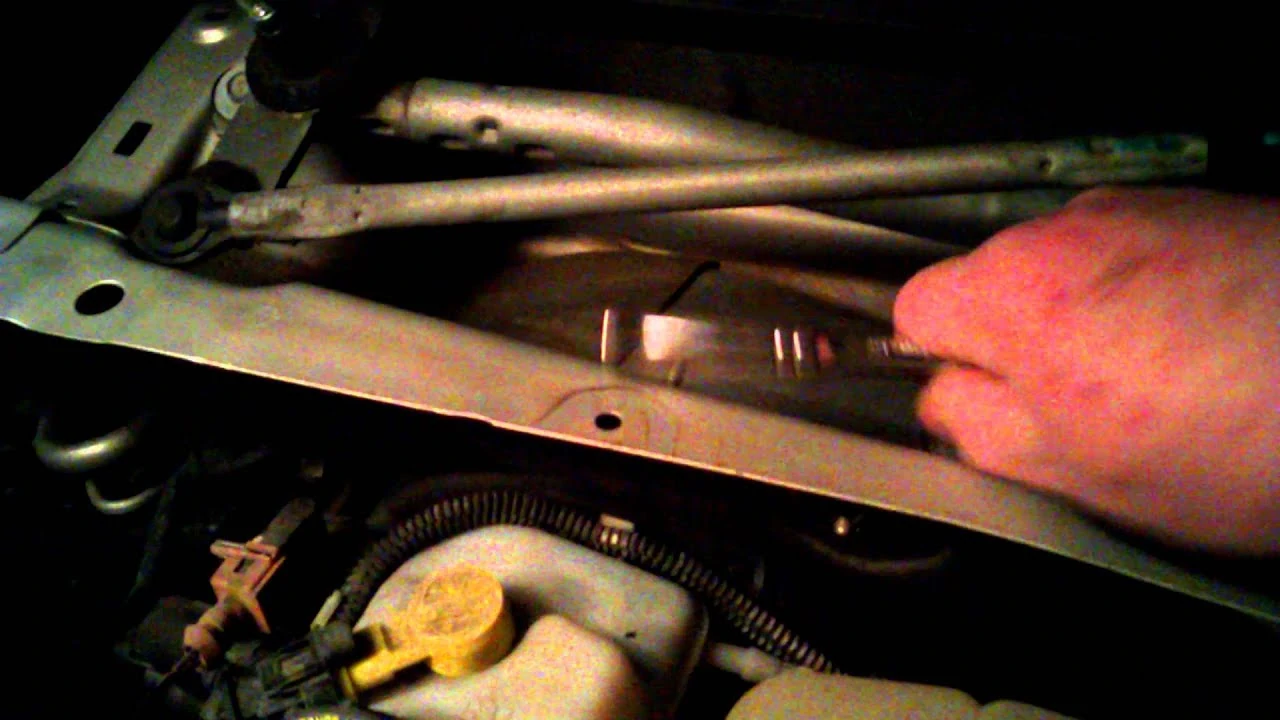
A worn or seized wiper linkage is the reason most wipers end up sticking, knocking or sweeping on only one side — and replacing it is far less expensive than most drivers expect. This guide covers what the linkage does, what a replacement really costs, when a repair kit is enough and when you need the complete assembly, and how to tell a linkage fault from a motor fault before you spend anything. It is written for both DIY owners and repair shops looking for a fitment answer.
What is a windshield wiper linkage?
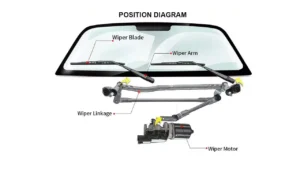
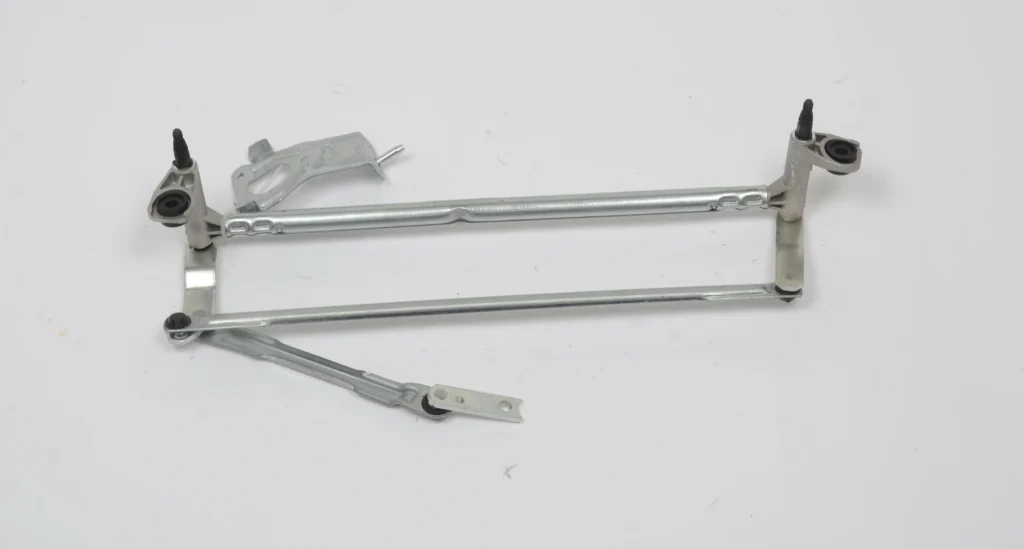
The windshield wiper linkage — also called a wiper linkage assembly or a wiper transmission — is the mechanical connection between the wiper motor and the wiper arms. It converts the motor’s rotating output into the back-and-forth sweep that clears the glass. A complete linkage consists of a drive crank, one or two push rods, a synchronizing rod, and the pivot bushings and output shafts that the wiper arms bolt onto.
How much does wiper linkage replacement cost?
There are three ways to buy the job, and the price difference between them is large. It helps to know which one you are actually paying for before you agree to anything.
- Full assembly, aftermarket (most common). A complete linkage assembly for a mainstream passenger car typically runs from $30 to $120. This is the part that restores the original geometry, because the rods, pivots and bushings are all matched to each other.
- Full assembly plus shop labour. Add 30 to 60 minutes of labour. On most cars the job is under an hour, because the linkage sits under the plastic cowl at the base of the windshield and does not require the dashboard to come out.
- Repair kit or individual joints. A kit of bushes, clips or a single rod is cheaper on paper, but only makes sense when every other joint is still tight. On a high-mileage car the remaining joints usually fail soon after, so the saving is often lost.
If a shop quotes a figure far above this range, ask what is included. The common extras are a new wiper motor (only needed if the motor itself is dead), wiper arms (a different part entirely), and diagnostic time for a fault that turns out to be a loose arm nut rather than the linkage.
Repair kit or complete assembly — which do you need?
Use a repair kit only when you have a single, clearly identified failure: one cracked clip, one detached rod end, or one bushing that is visibly oval while its neighbours still hold the arm firmly. If the arms wobble at the output shafts, if the sweep is uneven, or if the linkage is more than about five years old, replace the complete assembly. A complete unit also guarantees the correct geometry — a rebuilt linkage with mismatched rods will often drag, over-sweep or park in the wrong position.
The bushing is the part that fails first
Almost every wiper linkage failure starts at a bushing. The bushings are the small plastic or nylon sleeves that let the rods rotate on the pivots; they take the full load of the motor, in all weather, for the life of the car. Once a bushing wears oval, the rod develops play, the wiper arm starts to lag behind, and the slack shows up as a knock at the base of the windshield or a streak down the middle of the glass. Left alone, the play accelerates: the joint hammers itself apart, and the arm can jump its park position or drop out of synchronization completely.
Because a worn bushing damages its joint rather than the rods, most manufacturers no longer sell bushings separately for modern vehicles — the linkage is supplied as a sealed assembly. That is why a complete replacement is usually the practical answer. If your vehicle does have serviceable bushings and you want to know whether they are the cause, see how to diagnose wiper linkage problems.
What are the symptoms of a faulty wiper linkage?
Common signs that the linkage — rather than the motor or the blades — is at fault:
- One arm sweeps, the other stays still, or the two arms cross over. The classic symptom of a stripped bushing or a detached rod.
- A knock or clunk at the base of the windshield. Play in the joints, usually audible on every stroke.
- The arms lag, judder or stop mid-stroke. The linkage binds under load instead of moving smoothly.
- The arm hits the cowl or parks in the wrong place. Geometry has shifted because a joint has worn or a rod has bent.
- The blades move but clear nothing. The linkage is fine and the fault is a loose arm nut or worn blades — check these before buying parts.
If the wipers are simply slow in both directions, suspect the motor or the electrical circuit first. A linkage fault almost always shows up as uneven, noisy or unsynchronized movement rather than a uniform loss of speed.
How long does a wiper linkage last?
On average a wiper linkage lasts five to seven years, or roughly the life of two or three sets of blades. The variables are how often the wipers run, how much grit and salt they push, and whether the pivots are ever lubricated. Vehicles used in dusty or coastal regions, or parked outdoors, usually reach the end of that range first.
How to make your wiper linkage last longer
- Keep the linkage area free of leaves, grit and debris — trapped grit grinds the bushings.
- Lubricate the pivot points lightly with a silicone-based lubricant once a year, never with grease that attracts dust.
- Inspect the linkage for play whenever you change the blades.
- Replace worn blades promptly; a chattering blade loads the joints far more than it should.
- Never force a frozen wiper arm by hand — freeing ice with the arm under load is how rods get bent.
Can I replace a wiper linkage myself?
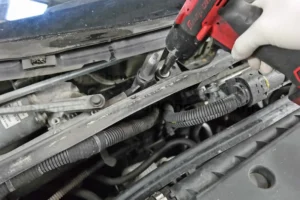
Yes, if you can work under the hood with basic hand tools. A linkage replacement is careful disassembly rather than heavy repair: disconnect the battery, remove the cowl, mark and pull the wiper arms, unbolt the old linkage from the motor crank and the pivot bosses, then fit the new assembly and re-seat the arms on your marks. Most DIYers finish in under an hour. Our full step-by-step wiper linkage replacement tutorial covers the tool list, the order of operations and the points where people go wrong.
Frequently asked questions
How much does wiper linkage replacement cost?
An aftermarket assembly is normally $30 to $120. A shop will add 30 to 60 minutes of labour, so a typical drive-in price lands between $120 and $250 depending on the model. Vehicles with a deep cowl or a sensor module in the way sit at the top of that range.
Can I just replace the bushing instead of the whole linkage?
Only if the bushings are available separately for your vehicle and the other joints are still tight. On most modern cars the linkage is supplied as a complete sealed assembly, because a worn bushing means the surrounding joints have covered identical mileage. Replacing the assembly restores the geometry in one go and avoids a second strip-down in a few months.
Do I need a repair kit or a full assembly?
Choose a kit when there is one isolated failure — a single clip, rod end or bushing — and the rest of the linkage is tight and recent. Choose a full assembly when the arms wobble at the shafts, the sweep is uneven, more than one joint is loose, or the linkage is over five years old.
How long does the replacement take?
On most cars, 30 to 60 minutes. The job is done from the top of the engine bay once the cowl is lifted, so no dashboard removal is involved.
Popular wiper linkage replacements
Common assemblies we supply include the wiper linkage for the Chevrolet Sail 2010-2014 (OE 9028849), the Mitsubishi Montero 2001-2006 linkage (MR388040) and the Hyundai Mighty linkage (98121-5H100). Every listing is cross-referenced to the OE number it replaces, so you can order straight from the number stamped on your old unit.
Conclusion
A wiper linkage is a simple part with a predictable failure: the bushings wear, the arms lose synchronization, and the noise gets worse until the linkage breaks. Because a complete assembly costs less than most people assume, and because it restores the factory geometry, replacing the whole unit is normally both the cheaper and the safer answer. Match the new part by the OE number stamped on the old linkage — our windshield wiper linkage catalog cross-references every assembly to its original part number, and the labeled linkage diagram shows exactly which of the parts you are looking at.